Reliable Mold Elimination Assistance: Breathe Easy Again
Mold is a pervasive problem that can compromise well-being and real estate. Its existence often remains undetected until significant damage occurs or medical symptoms arise. Reliable mold remediation solutions are essential for ensuring protection in residences. Recognizing the risks and spotting initial indicators can make a significant impact. But what measures should homeowners take to guarantee they choose the appropriate provider? The solution lies in understanding the procedure and its benefits.
Why Mold Constitutes a Concern: Wellness Dangers and Home Damage
Mold creates considerable health dangers and can cause substantial damage to homes. It thrives in humid, moisture-rich environments, making basements, bathrooms, and kitchens particularly vulnerable. Inhalation to mold can result in lung problems, sensitization, and other health issues, especially for individuals with underlying health problems. Manifestations may feature coughing, sneezing, skin irritation, and sinus congestion.
Besides health implications, mold can damage the structural integrity of a building. It consumes natural substances like wood and drywall, causing rot and decay. Eventually, this can result in costly repairs and reduced property value. Homeowners often face challenges in detecting mold growth early, as it can be concealed behind walls or under flooring. Proper mold remediation is essential for protecting both health and property. Tackling mold issues promptly can reduce risks and restore a healthy home.
Clues You Require Certified Fungal Treatment
Detecting the existence of fungus inside a home can be challenging, especially due to its capability to grow concealed in walls or beneath floors. Homeowners need to be watchful for several clues indicating the necessity for professional mold remediation. A persistent musty odor is often the first detectable sign, suggesting mold growth is close. Visible mold patches, which may appear in various shades, are another clear indication that remediation is required. Additionally, unexplained health issues, such as respiratory difficulties or allergic reactions among household members, may signal a mold issue. Elevated moisture levels, especially in damp areas like basements or bathrooms, can also create optimal conditions for mold proliferation. If homeowners encounter any of these indicators, it is crucial to seek professional assistance to handle the problem effectively and protect their living environment. Prompt action can prevent further damage and enhance indoor air quality.
Understanding Mold Remediation: What You'll Experience
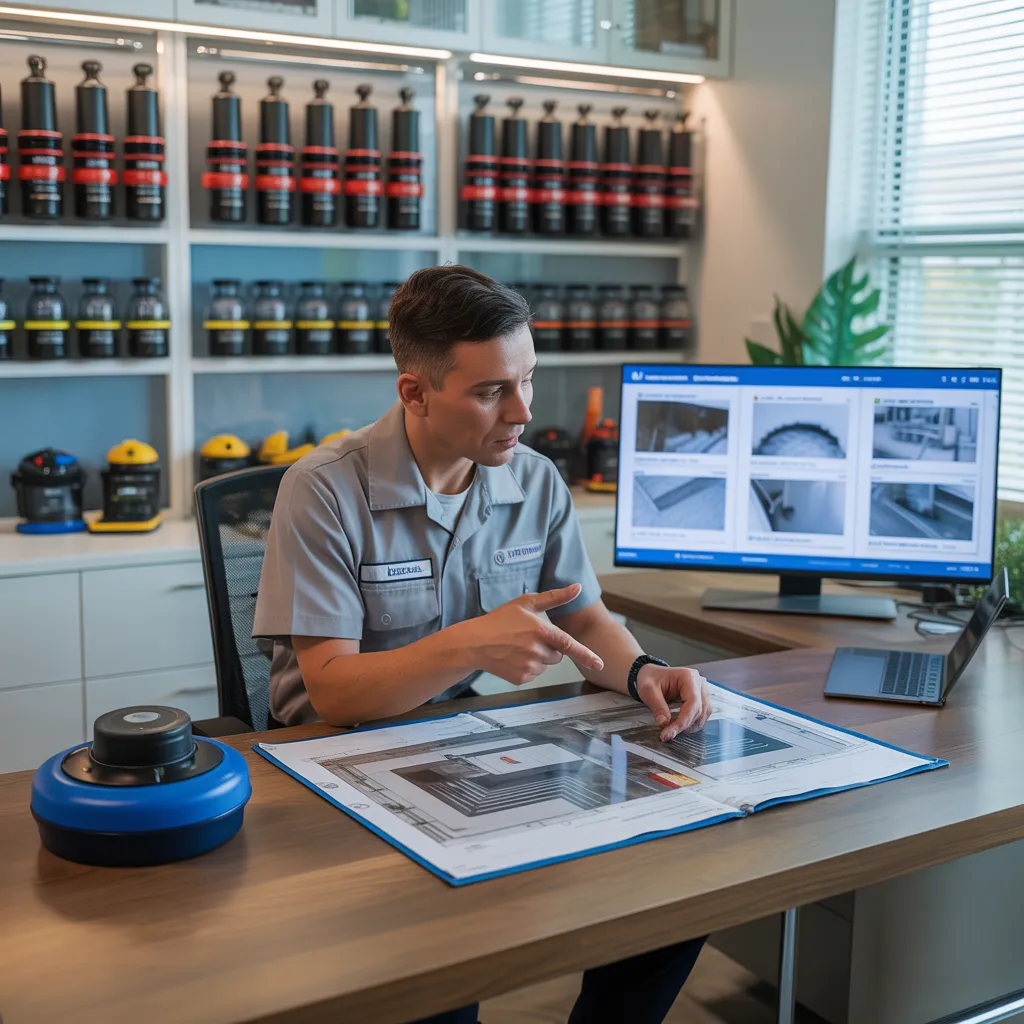
When property owners hire professional mold remediation services, they can expect a methodical approach to tackling the issue. The process typically begins with a thorough inspection to determine the extent of the mold infestation and the underlying moisture sources. Following the assessment, professionals will seal off the affected areas to prevent the spread of spores during the removal process.
Following this, professional equipment is used to article eliminate the mold, including HEPA vacuums and antimicrobial solutions. After the mold is removed, the damaged areas are treated and sanitized. Homeowners may also obtain recommendations for improvements or enhancements to prevent recurring mold issues, including improving ventilation or repairing leaks.
Finally, a post-remediation assessment guarantees that the area is cleared of mold. Homeowners can receive an extensive report detailing the services completed and preventative measures taken, allowing them to breathe easy once again in their restored living space.

How to Identify the Best Mold Remediation Service for Your Needs
Once understanding the mold restoration procedure, selecting the best service becomes critical for effective resolution. Homeowners should begin by researching area companies experienced with knowledge in mold concerns. It is crucial to check for certifications, such as those from the Institute of Inspection, Cleaning and Restoration Certification (IICRC), which indicate a skilled criterion of practice.
Furthermore, customer reviews and testimonials can offer understanding into the dependability and caliber of service. It is recommended to gather several quotes to evaluate pricing, scope of work, and timelines. A thorough assessment of the property by the service provider should be part of the process, guaranteeing an precise comprehension of the mold situation.
Finally, it is essential to verify that the company has adequate coverage and provides a warranty on their work, protecting against possible future mold problems. These steps can help homeowners make an well-informed decision when choosing a mold remediation service.
Benefits of Expert Mold Remediation Services
Professional mold remediation offerings provide substantial advantages that transcend mere cleanup. These services successfully mitigate health risks connected to mold exposure, ensuring a safer environment. Furthermore, they incorporate comprehensive inspection processes and long-term prevention approaches that safeguard properties against future infestations.
Health Issue Minimization
Although mold might appear to be a small problem, its existence can lead to serious medical concerns, particularly for vulnerable populations such as children, the elderly, and those with prior lung ailments. Professional mold remediation services successfully reduce these risks by locating and eliminating mold sources, ensuring a cleaner living space. Qualified professionals employ modern methods and tools to eliminate mold spores, stopping their spread and reducing the likelihood of allergic reactions, asthma attacks, and other respiratory issues. Additionally, these services often include air quality assessments, providing essential data for further preventive measures. By tackling mold promptly and effectively, homeowners can greatly decrease safety risks, ultimately promoting well-being and peace of mind for all occupants.
An extensive assessment approach
Managing mold issues not only protects health but also emphasizes the importance of a extensive inspection process. Qualified mold treatment services start with a full inspection, identifying visible and hidden mold sources. Experts apply advanced tools, such as moisture detectors and infrared cameras, to detect moisture levels and assess affected areas reliably. This meticulous inspection helps figure out the extent of contamination, guiding impactful remediation strategies. Additionally, professionals inspect indoor air quality, giving perspectives into potential health impacts. By depending upon a structured inspection, property owners can verify that all mold issues are addressed, lessening the risk of recurrence and safeguarding both health and property value. Ultimately, a full inspection is the foundation for effective mold remediation.
Extended-Duration Prevention Techniques
Effective mold removal solutions offer many long-term prevention strategies that significantly improve indoor environments. These strategies encompass comprehensive moisture management, which addresses the root causes of mold growth. Experts often recommend dehumidifiers and adequate air circulation to sustain ideal humidity levels. Additionally, they may suggest the use of mold-resistant materials during renovations, further reducing the risk of future infestations. Regular maintenance inspections can also detect possible problems before they escalate, enabling timely intervention. By implementing these proactive measures, building proprietors can considerably lower the probability of mold reappearance. In the end, these long-term strategies not only improve air quality but also protect the structural soundness of homes and businesses, promoting improved health and wellness environments.
Preventing Future Mold Growth in Your Home
To prevent future mold growth in a home, homeowners must emphasize moisture control and proper ventilation. Elevated moisture levels create an favorable setting for mold spores to thrive, making it important to preserve indoor humidity below 50%. Utilizing humidity control systems in humid zones, such as basements, can greatly reduce moisture.
Additionally, maintaining proper airflow within the home is essential. This can be accomplished by consistently opening windows and employing exhaust fans in kitchens and bathrooms. Regular inspections for leaks in plumbing and roofing are also critical, as even minor water damage can lead to mold expansion if not addressed promptly.
Homeowners should think about utilizing anti-mold materials when constructing or remodeling, additionally decreasing the risk. By putting into practice these preventative strategies, homeowners can establish an unfavorable conditions for mold, guaranteeing a healthier living space for their loved ones.
Commonly Asked Questions
How Much Will You Expect to Pay for Mold Treatment?
Mold abatement costs typically range from $500 to $6,000, contingent upon the severity of the contamination, the space impacted, and the methods used. Homeowners should consider multiple estimates for sound financial planning and optimal results.
Can I Stay in My Home During Remedial Work?
During mold remediation, it is often recommended to remain in another location, particularly if the area is severely affected. However, some situations permit for restricted use, depending on the severity of contamination and safety measures implemented.
How long Does the Mold Remediation Process Take?
The mold removal procedure generally takes 1-5 days, depending on the severity of contamination and the size of the affected area. Elements such as moisture drying period and necessary repairs may also affect duration.
Is Mold Removal Covered Under My Policy Coverage?
Insurance protection for mold removal varies by policy. Some homeowners' insurance may cover it if mold results from a covered peril, while others may exclude mold damage. Analyzing the specific policy details is crucial for clarity.
Which Strains of Mold Are Typically Most Common in Homes?
Common types of mold found in homes include Aspergillus, Cladosporium, and Stachybotrys (black mold). These molds flourish in damp environments and can pose health risks, making detection and remediation essential for maintaining a safe living space.